Ping 60 Degree Lob Wedge: 5 Best Options Compared (2026)
Comparing five Ping 60 degree lob wedge options by grind, bounce and lie to help you pick the right high, soft-landing wedge for your short game.
 By Graham Fisher
Updated November 20, 2026
 By Graham Fisher
Updated November 2026
Choosing a ping 60 degree lob wedge comes down to three things: the grind (how the sole is shaped), the bounce angle, and how the club sits at address for your swing and turf. We compared five s159 models from the Ping lineup based on product listings, brand specifications and common owner feedback about turf interaction, feel and bounce. None of these picks were hit on a range by our staff; treat this as a research-based shortlist.
Our top picks at a glance
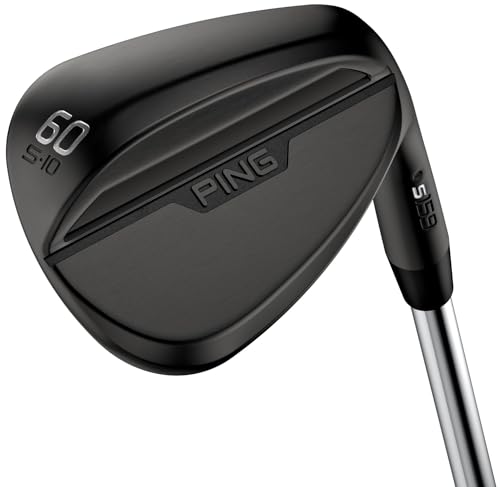
- 1TOP CHOICEBest overallPing s159 Midnight S Grind 60* Lob Wedge 60-10 Steel Z-Z115View on Amazon
- 2
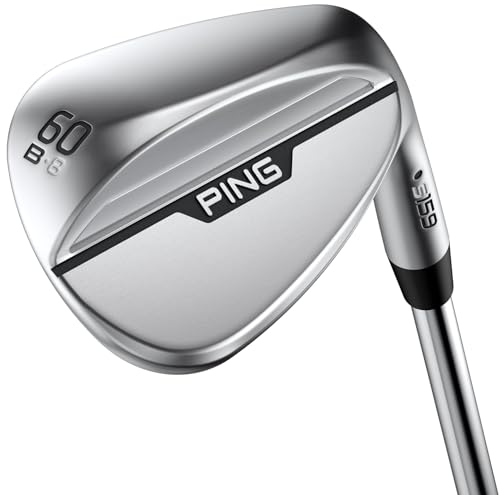 TOP CHOICEBest for tight lies and firm turfPing s159 Chrome B Grind 60* Lob Wedge 60-8 Steel Z-Z115View on Amazon
- 3
 TOP CHOICEBest for fluffy lies and soft turfPING s159 Chrome W Grind 60* Lob Wedge 60-14 Steel Z-Z115View on Amazon
- 4
 Best for versatile bunker and rough playPING s159 Chrome S Grind 60* Lob Wedge 60-10 Steel Z-Z115View on Amazon
- 5
 Best for steep, sharp entryPing s159 Chrome H Grind 60* Lob Wedge 60-8 Steel Z-Z115View on Amazon
Our Top Picks
| Product | Best for | Key feature |
|---|---|---|
| Ping s159 Midnight S Grind 60* Lob Wedge 60-10 | Overall all-round use | Midnight finish, 10 bounce |
| Ping s159 Chrome B Grind 60* Lob Wedge 60-8 | Tight lies and firm turf | Low 8 bounce, B grind |
| PING s159 Chrome W Grind 60* Lob Wedge 60-14 | Fluffy lies and soft turf | High 14 bounce, W grind |
| PING s159 Chrome S Grind 60* Lob Wedge 60-10 | Bunkers and rough | Mid 10 bounce, S grind |
| Ping s159 Chrome H Grind 60* Lob Wedge 60-8 | Steep, sharp entry | 8 bounce, H grind |
Ping s159 Midnight S Grind 60* Lob Wedge 60-10 Steel Z-Z115
Ping s159 Midnight S Grind 60* Lob Wedge 60-10 Steel Z-Z115
Best for: Overall all-round use
A solid starting point for golfers who want one 60-degree wedge that handles a wide range of lies around the green.
Pros
- Mid-range 10 bounce suits a variety of conditions
- Midnight finish reduces glare at address
Cons
- Less specialized than the grind-specific options
Ping s159 Chrome B Grind 60* Lob Wedge 60-8 Steel Z-Z115
Ping s159 Chrome B Grind 60* Lob Wedge 60-8 Steel Z-Z115
Best for: Tight lies and firm turf
Suited to golfers who play on firm fairways and hardpan, where a lower bounce helps the leading edge stay out of the ground.
Pros
- Low 8 bounce reduces digging on tight lies
- Chrome finish is easy to keep clean
Cons
- Can dig in on soft, fluffy turf
PING s159 Chrome W Grind 60* Lob Wedge 60-14 Steel Z-Z115
PING s159 Chrome W Grind 60* Lob Wedge 60-14 Steel Z-Z115
Best for: Fluffy lies and soft turf
A fit for players who regularly hit from thick grass, sand-softened lies or wet, spongy turf that needs more bounce to glide through.
Pros
- High 14 bounce helps the club skid through soft turf
- W grind works well in softer conditions
Cons
- Can feel bulky on tight, firm lies
PING s159 Chrome S Grind 60* Lob Wedge 60-10 Steel Z-Z115
PING s159 Chrome S Grind 60* Lob Wedge 60-10 Steel Z-Z115
Best for: Bunkers and rough play
Aimed at golfers who want a balanced sole for bunker shots and greenside rough without switching clubs.
Pros
- Mid 10 bounce balances bunker and rough play
- S grind is a common choice for mixed conditions
Cons
- Not as specialized for extreme lies
Ping s159 Chrome H Grind 60* Lob Wedge 60-8 Steel Z-Z115
Ping s159 Chrome H Grind 60* Lob Wedge 60-8 Steel Z-Z115
Best for: Steep, sharp entry
Best suited to players with a steep angle of attack who take a deeper divot and need the sole to stay under control.
Pros
- 8 bounce supports a steeper, descending strike
- H grind suits players who dig on contact
Cons
- May bounce too little for shallow sweepers in soft turf
Buying Guide
Bounce angle
Bounce is the angle between the leading edge and the lowest point of the sole. Lower bounce (around 8 degrees) suits firm lies, while higher bounce (around 12 to 14 degrees) helps in soft turf and sand.
Grind
The grind is how the sole is ground away around the heel and toe. Different grinds change how the club interacts with open and closed clubface positions, so match the grind to the shots you hit most.
Typical turf and lie
Think about where you play most. Firm, tight conditions reward lower bounce, while thick rough and soft sand favor more bounce.
FAQ
What bounce angle is best for a 60 degree lob wedge?
The right bounce depends mainly on your turf and swing. Players who take big divots or hit from firm lies often do better with more bounce, while those who sweep the ball off tight lies or have a shallow attack angle usually prefer less. Matching the bounce to how you actually strike the ground is more important than chasing any single number.
What does the grind on a Ping s159 wedge actually change?
The grind is the shaping removed from the sole, and it changes how the leading and trailing edges interact with the ground. Different grinds can make the club feel more forgiving in soft sand, more versatile on tight or varied lies, or more open for players who like to manipulate the face. Choosing a grind is largely about the lies you face most often.
Is a 60 degree lob wedge good for beginners?
A 60 degree lob wedge is quite lofted and demands good contact, so it is usually better suited to intermediate players who already have consistent short-game technique. Beginners often find a higher-bounce, lower-loft wedge easier to launch and control. If you do choose a 60 degree model, practice with it regularly to build confidence.
How do I choose between the Midnight, Chrome, and other finishes?
The finish is mostly a matter of appearance and how the club looks at address, since the underlying design is shared across the s159 line. Darker finishes can reduce glare, while chrome finishes are a more traditional look. Pick the one that helps you set up consistently and that you enjoy looking at on the course.
Should I get my lob wedge fitted before buying?
A fitting is worthwhile if you have a steep or shallow attack angle, a particularly firm or soft local turf, or you are unsure which bounce suits you. A fitter can check lie angle and bounce against your actual swing. Even without a fitting, paying attention to where you tend to hit the ground can guide your choice.
How long does a wedge grind last before it needs replacing?
Wedge grooves and sole edges wear over time with regular use, especially with frequent bunker play and rough shots. The exact lifespan depends on how often you play, how you practice, and how much you clean the clubface. Inspect your wedges periodically, and replace or re-groove them when the grooves look worn or the sole no longer interacts with the turf the way it used to.
Conclusion
If you want the most versatile option for a mix of lies and firm or average turf, the Midnight S grind and the Chrome S grind are reasonable starting points, with the S-style sole suited to many everyday conditions. Players who hit the ground hard or face soft, fluffy lies may lean toward a higher-bounce option like the Chrome B or Chrome W, depending on how deep their divots tend to be.
For players with a shallow attack angle or who play on tight, firm turf, the Chrome H or a lower-bounce choice is generally the better fit, while those who want a grind that suits the widest range of shots should weigh the Midnight S or Chrome S first. Whichever you choose, test your options against your own swing and conditions before committing, and remember that short-game practice will matter more than the wedge alone.
Related reading
- Ping Lob Wedge Degree: Typical Lofts and How to Choose (2026)
- Ping Eye 2 Lob Wedge Loft: Degrees, Gaps and How to Choose (2026)
- What Is a Lob Wedge Loft? Typical Degrees and How to Choose
- What Is a Lob Wedge Degree? Typical Loft vs Gap Wedge (2026)
About Graham Fisher
Graham Fisher is part of our editorial team and reviews and edits our putting & short game guides, checking product details against manufacturer specifications and owner feedback.
About the author
Graham Fisher writes reviews and buying guides for Putting For Par.