Ping G10 Lob Wedge Compared: 4 Best Picks for 2026
Compare 4 Ping G10 lob wedge options by grind, loft and feel, with pros, cons and a buying guide to help you pick the right short game wedge.
 By Graham Fisher
Updated November 21, 2026
 By Graham Fisher
Updated November 2026
Shopping for a ping g10 lob wedge means balancing loft, grind and feel around the green, and the right choice depends on your turf, swing and the shots you play most. This list compares four Ping wedge options from the Glide and s-series lines, each matched to a specific need. The selection criteria were loft range for lob shots, sole grind versatility, steel versus forged construction and how each option suits common short game situations.
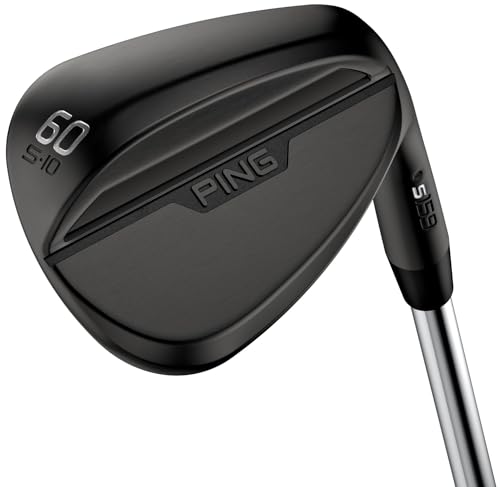
Best overall: Ping s159 Midnight S Grind 60* Lob Wedge – View on Amazon
Best for a softer, higher shot: PING s159 Chrome W Grind 60* Lob Wedge – View on Amazon
Best for forged feel: PING Glide Forged Pro T Grind 58* Lob Wedge – View on Amazon
Best for a versatile 58-degree option: Ping s259 Chrome S Grind 58* Lob Wedge – View on Amazon
Our Top Picks
| Product | Best for | Key feature |
|---|---|---|
| Ping s159 Midnight S Grind 60* Lob Wedge | Maximum height around the green | 60-degree loft, 10 bounce |
| PING s159 Chrome W Grind 60* Lob Wedge | Soft landings on tight lies | 60-degree loft, wide grind |
| PING Glide Forged Pro T Grind 58* Lob Wedge | Players who want forged feel | 58-degree loft, forged head |
| Ping s259 Chrome S Grind 58* Lob Wedge | Versatile everyday short game | 58-degree loft, standard sole |
Ping s159 Midnight S Grind 60* Lob Wedge
Ping s159 Midnight S Grind 60* Lob Wedge 60-10 Steel Z-Z115
Best for: Maximum height around the green
This wedge suits golfers who need to float the ball over bunkers and tight pin positions. The 60-degree loft and 10 bounce setting let the club sit cleanly on firm turf.
Pros
- High trajectory with a stable sole
- Steel construction is durable for frequent use
Cons
- Demands a confident technique on thin lies
PING s159 Chrome W Grind 60* Lob Wedge

PING s159 Chrome W Grind 60* Lob Wedge 60-14 Steel Z-Z115
Best for: Soft landings on tight lies
The wider W grind is aimed at golfers who play from varied lies and want more forgiveness through the turf. It fits players comfortable with high-lofted shots who want a softer landing.
Pros
- Wider sole helps on softer or fluffy lies
- Chrome finish is easy to keep clean
Cons
- Can feel bulky for players who prefer a sharper sole
PING Glide Forged Pro T Grind 58* Lob Wedge

PING Glide Forged Pro T Grind 58* Lob Wedge 58-6 Nippon Z-Z115
Best for: Players who want forged feel
Forged construction appeals to golfers who value feedback on every strike and a more refined look. The 58-degree loft offers a good balance of height and control for most short game shots.
Pros
- Forged head gives soft, measurable feedback
- 58 degrees covers a wide range of shots
Cons
- Less forgiving than cast options on off-center hits
Ping s259 Chrome S Grind 58* Lob Wedge

Ping s259 Chrome S Grind 58* Lob Wedge 58-10 Steel Z-Z115
Best for: Versatile everyday short game
This 58-degree option works for golfers who want one wedge for chips, pitches and greenside bunker shots. The standard S grind suits a wide range of turf conditions and swing types.
Pros
- Versatile sole works across many lies
- Good starting point for a wedge gapping plan
Cons
- Less specialized than wider or narrower grinds
Buying Guide
Loft and Shot Height
A 58-degree wedge is a versatile middle ground for pitches and chips, while 60 degrees produces higher, softer shots that stop quickly. Match loft to the shots you actually hit, since more loft requires more precise contact. Read more in What Is a Lob Wedge Loft? Typical Degrees and How to Choose.
Grind and Sole Shape
The grind determines how the sole interacts with sand and turf. Wider grinds generally suit softer conditions, while narrower options work better on firm lies. Consider your typical course conditions before choosing.
Good picks for this: PING s159 Chrome W Grind 60* Lob Wedge, Ping s259 Chrome S Grind 58* Lob Wedge
Forged or Steel Construction
Forged heads offer a softer feel and more feedback, while steel options tend to be more forgiving on off-center strikes. Choose based on how much feel versus forgiveness you prefer. For background on lob wedge use, see What's a Lob Wedge Used For? High, Soft Shots Around the Green.
Matching Your Short Game
Think about the shots you play most often, such as bunker escapes, flop shots or tight chips. A wedge built for your most common situation will save more strokes than one chosen for rare shots. Practice with a new wedge before committing to it on the course.
Good picks for this: Ping s159 Midnight S Grind 60* Lob Wedge, PING Glide Forged Pro T Grind 58* Lob Wedge
FAQ
What loft is a Ping G10 lob wedge?
Lob wedges in this range are typically 58 to 60 degrees, with the exact loft printed on each model. Check the listing for the specific loft before buying.
Is a forged or steel lob wedge better?
Forged wedges offer more feel and feedback, while steel options tend to be more forgiving. The better choice depends on your preference for feel versus forgiveness.
Which grind is best for soft turf?
Wider grinds generally perform better on soft or fluffy lies because the sole resists digging. Narrower grinds suit firmer conditions.
Related reading
- Ping Zing 2 Lob Wedge Loft: 5 Best Options Compared for Short Game
- Ping Lob Wedge Degree: Typical Lofts and How to Choose (2026)
About Graham Fisher
Graham Fisher is part of our editorial team and reviews and edits our putting & short game guides, checking product details against manufacturer specifications and owner feedback.
About the author
Graham Fisher writes reviews and buying guides for Putting For Par.