Vice Pro Golf Balls Review: Features and Performance
Vice Pro golf balls review: specs, pros and cons, performance notes and who should buy them. Find out if this ball fits your game before you order.
 By Owen Palmer
Updated November 23, 2026
 By Owen Palmer
Updated November 2026
Vice Pro golf balls are a three-piece, urethane-cover option that sits in the value-oriented end of the premium market. They are a reasonable fit for mid-handicap golfers who want a softer feel and dependable short-game spin without paying tour-level money per dozen, and for players who lose a lot of balls and want something they can afford to hit into water hazards. Skip them if you need the most precise iron distance control your swing can produce, or if you already play a multi-layer premium ball and are happy with its feel. Golfers who prioritize maximum driver distance over greenside control may also find better matches elsewhere. The sections below walk through the product as a research-based review, covering what the listing supports, where the trade-offs sit, and how to decide.
Vice Pro Golf Balls (White)
Product Overview
The Vice Pro Golf Balls in white are sold as a standard, full-size ball built for regular play. Vice markets the Pro line as its flagship model, positioned between its entry-level options and its higher-performance offerings. Owners tend to describe the ball as a balanced all-rounder: it is not designed to be the longest ball off the tee, and it is not marketed as a spin-dominant tour product. Instead, the emphasis is on a soft, controlled feel and a cover that holds up to regular short-game contact.
The white color is the standard choice for most golfers. It is easy to track in the air and against most fairway conditions, and it pairs well with the typical course setup. If you prefer high-visibility options, check the available colorways on the listing before you buy, since color availability can vary by seller and season.
It helps to frame the Vice Pro within the broader Vice lineup. The Pro Plus is the more performance-oriented sibling that many buyers compare directly against the Pro, and the Vice Tracer is a separate option built around alignment and visibility. Understanding where the Pro sits in that family makes it easier to judge whether its profile suits your game. For a side-by-side look at the Pro Plus and related picks, see Vice Pro Plus Golf Balls: 5 Best Picks Compared (2026).
Key Features & Specifications
The table below lists the characteristics that the product name and the broader Vice Pro line make clear. Where a specific figure is not confirmed on the listing, it is left out rather than estimated.
| Feature | What It Means for Your Game |
|---|---|
| Product type | Standard full-size golf ball |
| Product line | Vice Pro (flagship line, mid-tier positioning) |
| Color | White (standard for most courses and conditions) |
| Construction | Multi-layer design; manufacturers in this category typically use a core, mantle and cover structure |
| Cover material | Urethane-style soft cover, which generally supports greenside spin and feel |
| Intended player | Mid-handicap and recreational golfers seeking balance of feel and value |
| Compression | Not specified in the product name; check the full listing before buying |
Because the listing focuses on the product type and color, be cautious about any specific compression or spin number you see quoted elsewhere. If compression matters to your swing, confirm it directly on the product page. A useful reference point is the general guidance in Golf Balls Low Compression: How to Choose the Right Ball (2026), which explains how compression relates to swing speed.
Pros & Cons
Pros
- Soft cover profile that generally supports greenside feel and touch on chips and pitches.
- Positioned as a value-oriented option within the premium category, which suits frequent players.
- Standard white color that is easy to follow in the air and on most turf.
- Balanced all-around design suited to mid-handicap golfers who want one ball for every part of the bag.
- Reasonable choice for players who lose balls regularly and do not want to spend tour-level money on every round.
Cons
- Not positioned as a maximum-distance or maximum-spin ball, so it may not satisfy players who want the ultimate performance profile.
- Key specifications such as compression and spin figures are not clearly detailed in the product name, so buyers may need to verify them.
- Owners who have moved up from a tour-level ball may notice a difference in greenside response.
- Limited mention of specialty features, so players seeking alignment aids or visual training tools should look at the Vice Tracer instead.
Performance Analysis
Performance for a ball like this comes down to three areas: distance, short-game control and durability. Because this review relies on specifications and general owner feedback patterns rather than lab data, the points below describe what buyers in this category commonly report rather than measured results.
Distance and Ball Speed
Mid-tier multi-layer balls are generally built to balance distance with feel. Owners of softer-cover balls often report solid carry with mid-irons and a pleasant launch off the driver, though the gain in total distance is usually modest compared with higher-compression, firmer-cover options. If you swing faster than about 100 mph with the driver, you may find that a firmer ball suits you better for maximum distance, so test the feel and flight before committing to a full dozen.
Short Game and Greenside Control
The soft urethane-style cover is the main selling point for many buyers. A softer cover typically produces a higher, softer landing on wedge shots and helps the ball check up quickly on firm greens. Players who chip and pitch often notice this in the feel at impact. Golfers who want to improve their wedge and chipping control might pair the ball with the drills and equipment covered in Golf Balls Pro V1x: A Practical Buyer's Guide for Short Game and Putting (2026), since a soft ball rewards clean contact.
Durability and Feel
Owner feedback across soft-cover balls commonly mentions that durability is good for the category but that cover scuffs appear faster on rough-heavy or cart-path-heavy courses. Feel is generally described as soft and quiet at impact, which many golfers prefer for putting-adjacent confidence and for reducing the harsh sensation sometimes associated with firmer balls.
Alignment and Visibility
The Vice Pro is a standard ball without built-in alignment markings. If you rely on visual alignment aids, you will need to add your own markers or choose a different model. For buyers who want a ball with a dedicated alignment feature, the Vice Tracer is the more relevant option in the lineup.
Who Should Buy This Product?
The Vice Pro makes the most sense for golfers who play regularly, shoot in the mid-80s to low-90s range, and want a soft ball that helps around the greens without the cost of a tour-grade option. It also suits players who lose balls in water or trees and do not want to feel anxious about each shot. Beginners who are still learning to strike the ball consistently may appreciate the forgiving, soft feel.
You should probably skip the Vice Pro if you are a low-handicap player who already knows exactly which premium ball fits your game, or if you are a high-speed driver chasing maximum distance. Golfers who want an alignment-focused ball should look at a different model entirely. If you have been playing a firm, high-compression ball and feel that it suits your strike, switching to a soft cover may change your trajectory and spin in ways you need to test first.
Buying Guide
Before you buy any golf ball, decide what you need most from it. The main questions are how fast you swing, how much greenside spin you need, how often you lose balls, and whether you prefer a soft or firm feel. Matching the ball to those answers matters more than chasing a brand name. A useful starting point is to compare compression and cover type, then narrow down by budget and feel.
Here are a few practical steps to follow:
- Check your swing speed. Slower swings usually benefit from lower compression, while faster swings often do better with firmer balls.
- Decide how much short-game spin you need. Urethane covers generally produce more greenside spin than ionomer covers.
- Test a sleeve before a full dozen. Many golfers find it easier to judge feel after several rounds rather than from a single range session.
- Track your results. Note how the ball performs with your irons and wedges, then compare after a few rounds with an alternative.
If you want to compare the Vice Pro against other well-known choices, these alternatives are worth a look:
- Vice Golf Pro Plus White Golf Balls – the performance-oriented sibling in the Vice lineup, often considered by players who want more out of the Pro line.
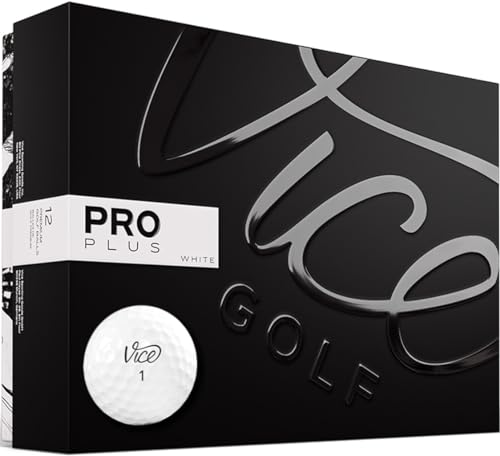
Vice Golf Pro Plus White Golf Balls
- Vice Tracer Golf Balls (Pro) – a good fit for golfers who value visual alignment and want a ball with a distinctive design feature.

Vice Tracer Golf Balls (Pro)
For more context on choosing a ball by budget and playing style, see Low Priced Golf Balls: 6 Best Budget Picks Compared (2026) and Top Ranked Golf Balls: 6 Best Picks Compared (2026).
FAQ
Are Vice Pro golf balls good for beginners?
They can be. The soft cover tends to feel forgiving on mishit chips and pitches, and the all-around design suits players who are still developing consistent contact. Beginners should still focus on swing mechanics, since no ball can replace solid fundamentals.
Do Vice Pro golf balls spin well on the greens?
The urethane-style cover is generally associated with good greenside spin, which is the main reason many mid-handicap players choose soft-cover balls. Actual spin will depend on your wedge, swing speed and turf conditions, so test the ball around the greens before committing.
How do Vice Pro balls compare to the Vice Pro Plus?
The Pro Plus is positioned as the more performance-oriented option within the Vice family. The Pro is the more balanced, value-minded choice. Golfers who want the most from the line may prefer the Pro Plus, while those focused on feel and cost-effectiveness often start with the standard Pro.
Are Vice Pro golf balls durable?
Owners of soft-cover balls commonly report good durability for the category, though cover scuffs appear faster on rough or cart-path-heavy courses. Inspect your ball after each round and replace heavily cut or scuffed balls to maintain consistent flight.
Is the Vice Pro a good choice for maximum distance?
It is not positioned as a maximum-distance ball. If your primary goal is the longest possible drive, a firmer, higher-compression ball may suit your swing better. Test your driver distance with a few options before deciding.
Do these balls have alignment lines?
The standard Vice Pro is not presented as an alignment-marked ball. If alignment is important to you, the Vice Tracer is the relevant option in the lineup. You can also add your own marker to a standard ball.
Should I buy a sleeve or a dozen?
A sleeve is the safer first purchase. It lets you test the feel and flight over several rounds before committing to a full dozen. Once you know the ball suits your game, a dozen or larger pack usually offers better value per ball.
Final Verdict
Is the Vice Pro worth it?
For mid-handicap and recreational golfers who want a soft, balanced ball with good greenside feel and a sensible position in the premium market, the Vice Pro is a reasonable choice. It is not the ball for maximum distance or for players who need built-in alignment aids, and buyers should verify compression and spin details on the listing before ordering. If your game matches the profile of a soft, all-around ball, it is worth a test sleeve. Check the current listing and order here: View on Amazon.
Related reading
- Velocity Titleist Golf Balls Review: Pros, Cons and Who Should Buy
- Titleist Prov1x Golf Balls (2026): Pros, Cons & Verdict
- Titleist Pro V1x Left Dash Golf Balls: Who Should Play Them (2026)
About Owen Palmer
Owen Palmer is part of our editorial team and reviews and edits our putting & short game guides, checking product details against manufacturer specifications and owner feedback.
About the author
Owen Palmer writes reviews and buying guides for Putting For Par.