Titleist TruFeel Golf Balls Review: Features and Performance
Titleist TruFeel golf balls review: key specs, pros and cons, performance notes, and who should buy this 100-pack for soft feel and short game control.
 By Owen Palmer
Updated November 10, 2026
 By Owen Palmer
Updated November 2026
Titleist TruFeel golf balls are aimed at golfers who want a soft, quiet feel around the green and a ball that is forgiving on partial shots, without paying for a tour-level urethane cover. This is a research-based review of the 100-count pack sold on Amazon as “LostGolfBalls – Titleist TruFeel Golf Balls, Pristine Quality, 100 Pack.” It is a good fit for mid- to higher-handicap players who lose balls regularly, want consistent feel on chips and putts, and do not need the spin profile of a premium three-piece tour ball. It is probably a poor choice for low-handicap players who shape shots deliberately and rely on maximum greenside spin, or for anyone who expects a distance upgrade from a firm, high-compression ball.
LostGolfBalls – Titleist TruFeel Golf Balls, Pristine Quality, 100 Pack
Product Overview
TruFeel sits in Titleist’s softer lineup, positioned below the Pro V1 family in terms of cost-to-performance focus and above the most basic practice balls. Titleist markets it as a ball that combines a soft feel with dependable flight and a cover designed to hold up through a round. The model is built for players who value a muted sound at impact and a predictable response when they hit wedges and putts, rather than the highest possible greenside spin.
The product reviewed here is a bulk pack of 100 balls, which changes the buying equation. Bulk packs suit golfers who play frequently, practice with lots of balls, or lose a few per round and want to keep a steady supply without repurchasing every few weeks. Because the listing is titled “Pristine Quality,” the balls are presented as used or refurbished-grade stock rather than new retail boxes, so buyers should read the seller’s condition description carefully before ordering. Used balls can vary in cover wear, scuffing, and marks, which may matter if you care about cosmetic perfection or consistent appearance on the course.
In practical terms, TruFeel is a lower-spin, softer-feeling ball than the top-tier Titleist options, designed to reduce the harsh feedback that some players dislike on short shots. It is the kind of ball many players choose when they want something that behaves well from 100 yards in and feels pleasant on the putter face.
Key Features & Specifications
Manufacturers describe TruFeel with a softer core and cover combination intended to produce a quieter, more responsive feel than firmer balls. The table below lists only the points that are reasonably certain from the product name, the Titleist lineup context, and the listing format. Exact compression, cover material, and layer count should be confirmed on the manufacturer’s current product page before purchase, since specifications can change between model years.
| Feature | Details |
|---|---|
| Brand / Model | Titleist TruFeel |
| Pack size | 100 balls (bulk pack) |
| Condition (per listing) | “Pristine Quality,” sold through LostGolfBalls |
| Ball category | Soft-feel, lower-compression style golf ball |
| Intended player | Mid to higher handicap; players prioritizing feel and value |
| Primary strengths | Soft feel, quiet impact, forgiving on partial shots |
| Sold on Amazon | Yes, as a 100-pack listing |
Pros & Cons
Pros
- Soft, muted feel that many players find pleasant on wedges and putts.
- Bulk 100-count quantity lowers the cost per ball for frequent players and practice sessions.
- Suitable for players who lose balls regularly and want a dependable supply.
- Generally forgiving on off-center strikes compared with firmer premium balls.
- Titleist brand reputation for consistency and quality control.
Cons
Performance Analysis
Performance for a soft-feel ball like TruFeel is best judged by how it behaves in three zones: the driver and long irons, the scoring clubs, and the short game. Owner feedback patterns for this category of Titleist ball generally emphasize feel and control over raw distance. Golfers tend to describe these balls as quiet at impact, with a softer sensation that makes distance control on pitches and chips easier to judge.
Full swings and distance
Softer covers and lower compression typically produce slightly lower launch and spin off the driver for slower swing speeds, which can be an advantage for players who balloon the ball or generate too much spin. For players with higher swing speeds, a softer ball can feel less penetrating into the wind. If your typical driver swing produces spin above what you want, TruFeel may actually help. If you are chasing distance off the tee, you should compare it against a firmer ball before committing.
Scoring clubs and approach play
Around the green, the appeal is the feel and predictability of contact. Many players find that a soft cover gives them better feedback on how the clubface is meeting the ball, which improves distance control on half-wedges. Greenside spin will not match a premium urethane tour ball in most conditions, so expect slightly less check on firm greens. For most mid-handicap players, the practical difference is small, but low-handicap players who hold greens with precision may notice it.
Putting and short game
Putting feel with a soft ball is generally quiet and consistent, which many golfers appreciate for reading putts by sound and feel. Chips and pitches benefit from the same soft response. Because the balls are used-stock in this listing, check a sample for scuffs before you rely on them for delicate short-game shots, since cover damage can change how a ball checks and rolls.
Durability and consistency
Soft covers can scuff more readily than hard covers, so expect visible wear after a round or two of heavy use around the greens. Bulk packs of pre-owned balls often vary in condition from ball to ball. Sorting the pack into “like new” and “playable” groups is a sensible first step.
Who Should Buy This Product?
TruFeel fits a specific set of golfers well. Players who lose several balls per round, practice with high volume, or play a casual weekly game will likely get strong value from a 100-ball supply. Golfers who prioritize a soft, quiet feel on the greens and around the green will appreciate the response. Players who want a dependable, recognizable brand and a predictable ball flight without paying for tour-grade spin will find this a sensible choice.
You should probably skip this product if you are a low-handicap player who relies on maximum spin to hold firm greens, if you need pristine cosmetic condition for tournament play, or if your priority is maximum distance off the tee. Players who insist on new, sealed retail packaging should also look elsewhere, since this listing is for pre-owned stock.
Buying Guide
Before buying a bulk pack of soft-feel balls, work through a few practical questions. Start with your swing speed and spin needs. Slower to moderate swing speeds generally benefit from softer, lower-compression balls because they reduce excess spin and help the ball launch more consistently. Faster swingers may want a firmer model for more penetration.
Next, consider condition. For a pre-owned pack, read the seller’s grading notes and, if possible, look at photos of the actual balls. A “pristine” description can still mean some cover wear. If you plan to use the balls for practice, cosmetic condition matters less. For casual rounds, it matters a bit more.
Finally, compare the pack against other well-known options in the same price-conscious category. Here are three alternatives worth considering:
- Titleist Pro V1 Yellow Golf Balls — a tour-level three-piece option with higher greenside spin and a firmer feel. Better suited to skilled players who want maximum control on approach shots.
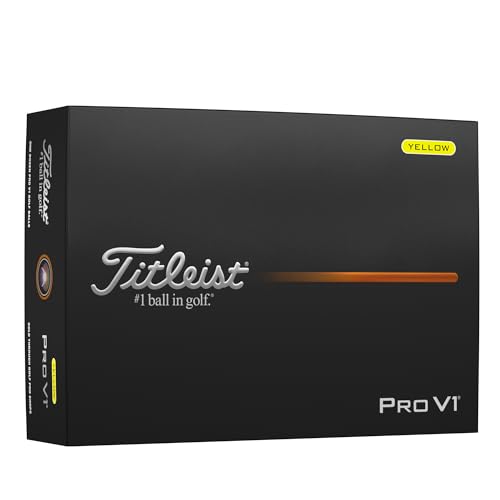
Titleist Pro V1 Yellow Golf Balls
- Callaway Golf Supersoft Golf Balls (2025, White) — a soft-feel alternative from another major brand, emphasizing low compression and a quiet feel. A good comparison if you want to test a different brand’s soft response.

Callaway Golf Supersoft Golf Balls (2025, White)
If you are still deciding between soft and firm constructions, the broader guide on Golf Balls Low Compression: How to Choose the Right Ball (2026) walks through how compression and swing speed interact. For short-game-specific comparisons, 5 Best Titleist Tour Soft Golf Balls for Soft Feel and Short Game Control (2026) covers related Titleist options, and Titleist Prov1x Golf Balls (2026): Pros, Cons & Verdict gives a useful look at the firmer end of the line. Golfers comparing the lower end of the market may also find Low Priced Golf Balls: 6 Best Budget Picks Compared (2026) helpful.
FAQ
Are Titleist TruFeel golf balls good for beginners?
Yes, in most cases. Their softer feel and forgiving response on off-center strikes make them a comfortable choice for newer players, and the bulk quantity means you can practice freely without worrying about losing expensive balls.
How do TruFeel balls compare to the Pro V1 for spin?
Premium tour balls like the Pro V1 generally produce more greenside spin and a firmer feel. TruFeel is designed for softer feel and forgiveness, so expect less check on firm greens. The difference matters most for skilled players who shape shots.
Does “Pristine Quality” mean the balls are new?
Not necessarily. The listing describes the balls as pristine, which in bulk-ball terminology usually refers to pre-owned stock graded for good appearance. Read the seller’s condition notes and check return policies before ordering.
Are TruFeel balls good for slow swing speeds?
Softer, lower-compression balls are generally a good match for slower to moderate swing speeds, since they tend to launch more easily and produce less unwanted spin. Players with very high swing speeds should test whether a firmer ball suits them better.
Will the soft cover scuff quickly?
Soft covers can show scuffs and wear faster than firm urethane covers, especially around the greens. Expect some visible marking after several rounds, and rotate balls if you want to keep a consistent appearance.
Should I buy a 100-pack or a smaller box?
A 100-pack suits frequent players, practice-heavy golfers, and anyone who loses balls regularly. If you play only occasionally, or if you want to test the feel first, a smaller quantity may be more practical.
Can I use TruFeel balls for tournament play?
Check your event’s rules and ball conditions. Pre-owned balls may not meet every club or tournament standard for appearance, even though they are legal in terms of construction.
Final Verdict
Titleist TruFeel golf balls are a practical, soft-feeling option for mid- to higher-handicap golfers who want a comfortable feel, forgiving performance, and a large supply at a sensible cost per ball. The 100-pack listing is especially useful for frequent players and practice-heavy golfers. The main trade-offs are the pre-owned condition, lower greenside spin than premium tour balls, and less distance than firmer constructions. If your priority is soft feel and volume, this is a sound buy. If you need tour-level spin or pristine cosmetics, look at the alternatives above.
View on AmazonAbout Owen Palmer
Owen Palmer is part of our editorial team and reviews and edits our putting & short game guides, checking product details against manufacturer specifications and owner feedback.
About the author
Owen Palmer writes reviews and buying guides for Putting For Par.