Ping Eye 2 Lob Wedge Picks: 7 Best Options for Every Short Game
Compare 7 Ping eye 2 lob wedge options by grind, loft and feel. Find the right Ping lob wedge for your swing, turf and short game in this buyer's guide.
 By Graham Fisher
Updated November 10, 2026
 By Graham Fisher
Updated November 2026
Choosing a ping eye 2 lob wedge comes down to a handful of things: loft, bounce, grind, shaft weight and how the head sits behind the ball at address. A 60-degree wedge that suits a player who splashes out of soft sand may be the wrong tool for someone who hits firm, tight lies in the fairway. This list compares seven lob wedge models from the Ping s159 and Glide Forged families, with a focus on loft and bounce options, grind styles, forged versus cast construction, and the kind of player each one tends to suit. The criteria are based on published specifications, brand reputation and common patterns in owner feedback, not on hitting balls ourselves.
Our top picks at a glance
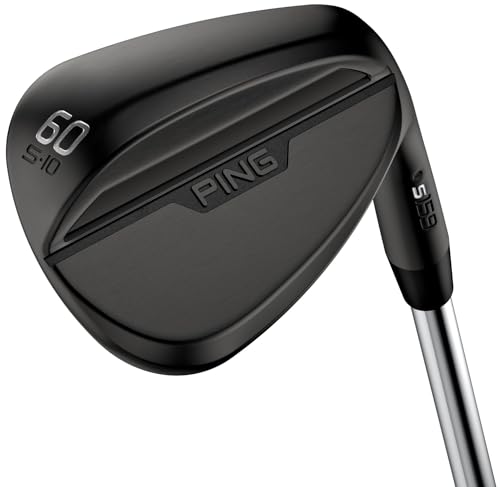
- 1TOP CHOICEBest overallPing s159 Midnight S Grind 60* Lob Wedge 60-10 Steel Z-Z115View on Amazon
- 2
 TOP CHOICEBest for soft bunker playPING s159 Chrome W Grind 60* Lob Wedge 60-14 Steel Z-Z115View on Amazon
- 3
 TOP CHOICEBest for forged feelPING Glide Forged Pro T Grind 58* Lob Wedge 58-6 Nippon Z-Z115View on Amazon
- 4
 Best for firm turfPing s159 Chrome H Grind 58* Lob Wedge 58-8 Steel Z-Z115View on Amazon
- 5
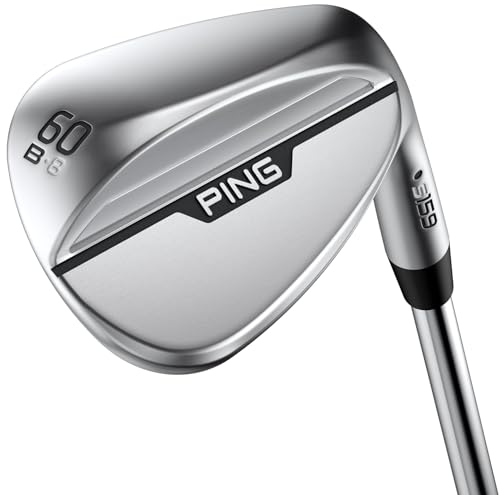 Best for a versatile heel-and-toe mixPing s159 Chrome B Grind 60* Lob Wedge 60-8 Steel Z-Z115View on Amazon
- 6Best for full-face flop shotsPING s159 Chrome S Grind 60* Lob Wedge 60-10 Steel Z-Z115View on Amazon
- 7
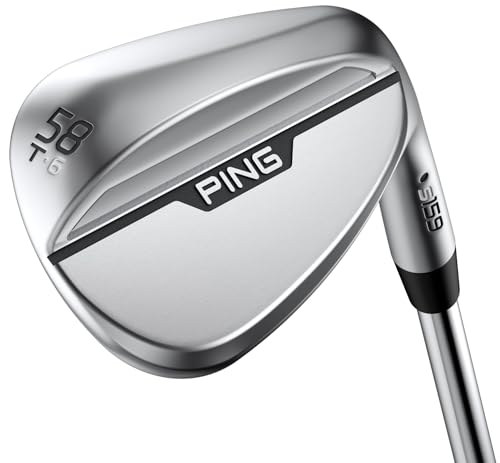 Best for tight liesPING s159 Chrome T Grind 58* Lob Wedge 58-6 Steel Z-Z115View on Amazon
Our Top Picks
Quick Comparison
| Product | Best for | Key feature |
|---|---|---|
| Ping s159 Midnight S Grind 60* Lob Wedge 60-10 Steel Z-Z115 | Well-rounded short game | 60-degree loft with 10-degree bounce |
| PING s159 Chrome W Grind 60* Lob Wedge 60-14 Steel Z-Z115 | Soft bunker play | 14-degree bounce, wide sole |
| PING Glide Forged Pro T Grind 58* Lob Wedge 58-6 Nippon Z-Z115 | Players who want forged feel | Forged head with Nippon shaft |
| Ping s159 Chrome H Grind 58* Lob Wedge 58-8 Steel Z-Z115 | Firm turf and fairway lies | 58-degree loft, H grind |
| Ping s159 Chrome B Grind 60* Lob Wedge 60-8 Steel Z-Z115 | Mixed conditions | 8-degree bounce, B grind |
| PING s159 Chrome S Grind 60* Lob Wedge 60-10 Steel Z-Z115 | Open-face flop shots | S grind for opening the face |
| PING s159 Chrome T Grind 58* Lob Wedge 58-6 Steel Z-Z115 | Tight lies and tight turf | 6-degree bounce, T grind |
Ping s159 Midnight S Grind 60* Lob Wedge 60-10 Steel Z-Z115
Ping s159 Midnight S Grind 60* Lob Wedge 60-10 Steel Z-Z115
Best for: Well-rounded short game with a high-lofted, forgiving sole
This model suits golfers who want one 60-degree wedge that handles greenside lobs, bunker shots and tight chips without much fuss. The 10-degree bounce is a useful middle ground for players who take moderate divots.
Key specs
- Loft: 60 degrees
- Bounce: 10 degrees
- Shaft: Steel, Z-Z115 family
Pros
- Versatile bounce for varied lies
- High loft for quick stopping on greens
- Consistent feel across Ping’s s159 line
Cons
- Can feel heavy for players used to lighter wedges
- Less forgiving on very thin lies
Bottom line: A strong first lob wedge for mid-handicap players who want one flexible club around the green.
View on AmazonPING s159 Chrome W Grind 60* Lob Wedge 60-14 Steel Z-Z115
PING s159 Chrome W Grind 60* Lob Wedge 60-14 Steel Z-Z115
Best for: Soft bunker play and high, wide-sole shots
The 14-degree bounce makes this wedge a good fit for golfers who play from soft sand or who tend to dig. The wide sole helps the club skid through the sand rather than dig in.
Key specs
- Loft: 60 degrees
- Bounce: 14 degrees
- Shaft: Steel, Z-Z115 family
Pros
- High bounce suits soft sand and fluffy lies
- Helps prevent digging on steep downswings
- Easy to open the face for flop shots
Cons
- Can bounce too much off firm, tight turf
- Less precise on delicate chips from tight lies
Bottom line: Best for players in sandy or soft-turf areas who struggle with digging.
View on AmazonPING Glide Forged Pro T Grind 58* Lob Wedge 58-6 Nippon Z-Z115
PING Glide Forged Pro T Grind 58* Lob Wedge 58-6 Nippon Z-Z115
Best for: Players who want forged feel and a Nippon shaft
Forged wedges are often preferred by better players for their soft feel and feedback. This model pairs a 58-degree loft with a Nippon shaft option, suiting golfers who prioritize feel over maximum forgiveness.
Key specs
- Loft: 58 degrees
- Bounce: 6 degrees
- Shaft: Nippon Z-Z115 family
Pros
- Forged construction offers soft feedback
- Low bounce suits tight lies and firm turf
- Nippon shaft option is well regarded by many owners
Cons
- Less forgiving on mishits than cast designs
- Low bounce can dig in soft sand
Bottom line: For better players who want a forged head and a premium shaft feel.
View on AmazonPing s159 Chrome H Grind 58* Lob Wedge 58-8 Steel Z-Z115
Ping s159 Chrome H Grind 58* Lob Wedge 58-8 Steel Z-Z115
Best for: Firm turf and fairway-to-green lies
The H grind and 8-degree bounce give this 58-degree wedge a balance that works on firm fairways and bare patches. It’s a sensible pick for golfers in dry climates.
Key specs
- Loft: 58 degrees
- Bounce: 8 degrees
- Shaft: Steel, Z-Z115 family
Pros
- Moderate bounce for varied turf
- Good for full shots and controlled pitches
- Steel shaft offers consistent feel
Cons
- Not as specialized for soft sand
- Requires a clean strike for maximum spin
Bottom line: A practical choice for players who mostly hit from firm, dry fairways.
View on AmazonPing s159 Chrome B Grind 60* Lob Wedge 60-8 Steel Z-Z115
Ping s159 Chrome B Grind 60* Lob Wedge 60-8 Steel Z-Z115
Best for: Mixed conditions and players who hit a variety of shots
The B grind offers a versatile sole that works from different lies. The 60-degree loft and 8-degree bounce make it a reasonable option for players who want flexibility without going to extremes.
Key specs
- Loft: 60 degrees
- Bounce: 8 degrees
- Shaft: Steel, Z-Z115 family
Pros
- Balanced bounce for varied conditions
- High loft for stopping shots quickly
- Good all-around option
Cons
- Less specialized than dedicated bunker designs
- May feel light for some players
Bottom line: A solid all-rounder for golfers who play varied courses.
View on AmazonPING s159 Chrome S Grind 60* Lob Wedge 60-10 Steel Z-Z115
PING s159 Chrome S Grind 60* Lob Wedge 60-10 Steel Z-Z115
Best for: Open-face flop shots and creative greenside play
The S grind is designed to be opened up for flop shots and high lobs. It rewards players who like to manipulate the clubface around the green.
Key specs
- Loft: 60 degrees
- Bounce: 10 degrees
- Shaft: Steel, Z-Z115 family
Pros
- Easy to open the face for high flops
- Good for creative short-game shots
- 10-degree bounce adds forgiveness
Cons
- Requires practice to control open-face shots
- Not ideal for beginners who play straight-faced
Bottom line: Best for golfers who already have a solid short game and want more shot options.
View on AmazonPING s159 Chrome T Grind 58* Lob Wedge 58-6 Steel Z-Z115
PING s159 Chrome T Grind 58* Lob Wedge 58-6 Steel Z-Z115
Best for: Tight lies and firm, tight turf
The T grind and 6-degree bounce keep the leading edge low to the ground, which helps on hardpan and tight fairway lies where a higher bounce can bounce off the turf unpredictably.
Key specs
- Loft: 58 degrees
- Bounce: 6 degrees
- Shaft: Steel, Z-Z115 family
Pros
- Low bounce suits tight lies
- Clean leading edge for crisp contact
- Good for players who sweep the ball
Cons
- Can dig in soft sand or thick rough
- Less forgiving for players who take deep divots
Bottom line: A good pick for players who hit crisp, shallow strikes from firm ground.
View on AmazonBuying Guide
Loft and Bounce
Loft controls how high and how far the ball flies, while bounce determines how the sole interacts with turf and sand. Higher bounce (10 to 14 degrees) helps prevent digging in soft conditions, while lower bounce (6 to 8 degrees) suits firm lies. Match bounce to your typical course conditions and swing type.
Good picks for this: Ping s159 Chrome W Grind 60* Lob Wedge 60-14 Steel Z-Z115, PING s159 Chrome T Grind 58* Lob Wedge 58-6 Steel Z-Z115
Grind Type
Grind refers to how the sole is shaped and relieved. Wide, heavily relieved grinds (like W) are typically chosen for soft sand, while narrower grinds (like T or H) suit firm turf and tight lies. Grinds such as S allow the face to be opened for more flop shots.
Good picks for this: PING s159 Chrome S Grind 60* Lob Wedge 60-10 Steel Z-Z115, Ping s159 Chrome H Grind 58* Lob Wedge 58-8 Steel Z-Z115
Forged Versus Cast Construction
Forged heads are generally prized for soft feel and feedback, while cast designs can offer more consistent manufacturing and a bit more forgiveness. Most players will notice the difference more in feel than in distance.
Good picks for this: PING Glide Forged Pro T Grind 58* Lob Wedge 58-6 Nippon Z-Z115
Shaft Material and Weight
Steel shafts are the most common choice for wedges. Shaft weight influences feel and tempo. Heavier shafts can add stability for players with fast transitions, while lighter options may help players who want more speed. Check the flex and weight specs before buying.
Good picks for this: Ping s159 Midnight S Grind 60* Lob Wedge 60-10 Steel Z-Z115, Ping s159 Chrome B Grind 60* Lob Wedge 60-8 Steel Z-Z115
Your Typical Course and Turf
Think about where you play most. Soft, sandy courses favor high bounce. Firm, dry courses favor lower bounce and narrower soles. Many players benefit from a versatile middle-bounce wedge if they play varied conditions.
Good picks for this: Ping s159 Chrome H Grind 58* Lob Wedge 58-8 Steel Z-Z115, Ping s159 Chrome B Grind 60* Lob Wedge 60-8 Steel Z-Z115
Shot Style and Skill Level
Players who open the face and hit creative shots benefit from grinds designed for that purpose. Beginners often do better with more forgiving, straight-faced setups until their short game develops.
Good picks for this: PING s159 Chrome S Grind 60* Lob Wedge 60-10 Steel Z-Z115, Ping s159 Midnight S Grind 60* Lob Wedge 60-10 Steel Z-Z115
Care and Durability
Wedge grooves wear over time, especially with frequent use on abrasive sand. Clean grooves after each round and avoid storing wedges wet. Replacing worn wedges is often a practical decision for players who play frequently.
Good picks for this: PING s159 Chrome W Grind 60* Lob Wedge 60-14 Steel Z-Z115
FAQ
What loft is best for a lob wedge?
Most lob wedges fall between 58 and 62 degrees. Higher loft produces more height and softer landing, while lower loft gives more control over distance. Choose based on the shots you hit most often.
What bounce should I choose?
Higher bounce (10 to 14 degrees) suits soft sand and players who dig. Lower bounce (6 to 8 degrees) suits firm turf and tight lies. If you play varied conditions, a middle bounce is often the most practical choice.
Are forged wedges better than cast?
Forged wedges are usually preferred for feel and feedback, but cast wedges can be more forgiving. Neither is objectively better. The right choice depends on your preference and skill level.
Does grind matter?
Yes. The grind changes how the sole interacts with the turf and sand. Wider grinds generally suit soft conditions, while narrower grinds suit firm conditions and open-face shots.
Can I use a lob wedge from the fairway?
Yes, but high-lofted wedges are less efficient from longer distances. Many golfers keep a lob wedge primarily for shots within about 50 to 70 yards and for greenside recovery.
How often should I replace my wedge?
There is no fixed schedule. Replace a wedge when grooves are visibly worn or when spin and consistency drop noticeably. Frequent players may need to replace wedges sooner than occasional players.
Should I get fitted for a lob wedge?
A professional club fitting can help you choose loft, bounce, lie angle and shaft that match your swing. This is especially useful if you are unsure about your typical lie and attack angle.
Conclusion
The best ping eye 2 lob wedge for you depends on your typical conditions, shot style and feel preferences. The Midnight S Grind 60-10 suits players who want one well-rounded high-lofted wedge. The Chrome W Grind 60-14 fits soft sand. The Glide Forged Pro T Grind 58-6 suits players who value forged feel. The Chrome H and B grinds cover firm and mixed turf, while the S and T grinds serve open-face and tight-lie players respectively. Match the bounce and grind to your course, then confirm the choice with a professional fitting if you can.
Sources
- Official rules and equipment standards for golf clubs, including groove specifications
- Guidance on club conformance and the rules governing wedge grooves
- Instruction articles on short-game technique, bunker play and wedge selection
Related reading
- Second Hand Lob Wedge: Is a Used One Worth Buying?
- Loft of Lob Wedge vs Gap Wedge (2026): Which Is Better for Short Game?
- Lob Wedge Loft Degree vs Gap Wedge: Which Should You Choose?
- Gap Wedge vs Lob Wedge (2026): Which Is Better for Short Game?
- 6 Best Chipper Wedge Golf Club Picks for Short Game Control (2026)
About Graham Fisher
Graham Fisher is part of our editorial team and reviews and edits our putting & short game guides, checking product details against manufacturer specifications and owner feedback.
About the author
Graham Fisher writes reviews and buying guides for Putting For Par.