6 Best Golf Shoulder Alignment Aids for Better Setup (2026)
Compare 6 golf shoulder alignment aids for setup and posture. See which trainer suits your swing, putting, or practice needs before you buy.
 By Lauren Holland
Updated November 23, 2026
 By Lauren Holland
Updated November 2026
A golf shoulder alignment aid helps you check whether your shoulders, hips, and feet are square to your target line before you swing or putt. Most golfers who struggle with a slice, a pull, or inconsistent contact have a setup problem, and shoulder alignment is one of the easiest things to fix once you can see it. This list focuses on six products that address shoulder position in different ways, including swing trainers, mirrors, and alignment stick holders. Each pick was chosen by comparing manufacturer specifications, brand reputation, and the patterns owners commonly report about fit, stability, and usefulness at the range or on the putting green.
Our top picks at a glance
- 1TOP CHOICEBest overallGeorge Gankas G Slot Golf Training AidView on Amazon
- 2
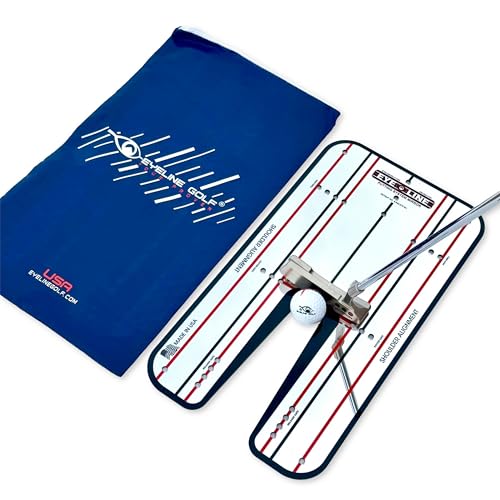 TOP CHOICEBest for putting setupEyeLine Golf Putting MirrorView on Amazon
- 3
 TOP CHOICEBest for range sessionsGolf Alignment Sticks Holder with Protective PaddingView on Amazon
- 4
 Best for adjustable anglesKELOB Golf Alignment Sticks HolderView on Amazon
- 5
 Best for full-swing setupEyeLine Golf Practice T Swing Training AidView on Amazon
- 6
 Best budget pickWHYGOLF Alignment SetView on Amazon
Our Top Picks
The table below gives a quick overview of how each product is positioned. The detailed reviews that follow explain the specifics, including what each design does well and where it falls short.
| Product | Best for | Key feature |
|---|---|---|
| George Gankas G Slot Golf Training Aid | Overall arm and shoulder swing work | Slot-based arm and shoulder guide |
| EyeLine Golf Putting Mirror | Putting setup checks | Mirror view of eyes, shoulders, and putter face |
| Golf Alignment Sticks Holder with Protective Padding | Range practice and aiming | Padded holder for alignment sticks |
| KELOB Golf Alignment Sticks Holder | Adjustable setup angles | Angle adjustment with metal base |
| EyeLine Golf Practice T Swing Training Aid | Full-swing feet, shoulder, and hip alignment | T-shaped frame with shoulder mirror |
| WHYGOLF Alignment Set | Budget-minded beginners | Two sticks and two foam rods |
George Gankas G Slot Golf Training Aid
George Gankas G Slot Golf Training Aid – Arm & Shoulder Alignment Golf Swing Trainer for Perfect Form – Professional Golf Swing Training Aid for Consistent Performance and Improved Technique
Best for: Overall arm and shoulder swing work
This trainer suits golfers who want a dedicated tool for keeping the arms and shoulders on a consistent path through the swing. It is a good fit for players working on posture and a repeatable takeaway.
Key specs:
- Designed as an arm and shoulder alignment swing trainer
- Slot-based guide for tracking arm position
Pros:
- Focused on the arm and shoulder relationship that many swing faults trace back to
- Gives a clear physical reference during slow-motion reps
- Useful for indoor practice when range time is limited
Cons:
- Works best with a patient, deliberate practice routine rather than quick use
- Does not address putting setup directly
Bottom line: Pick this if your main goal is improving arm and shoulder mechanics in the full swing.
View on AmazonEyeLine Golf Putting Mirror
EyeLine Golf Putting Mirror, Alignment Training Aid Used by Tour Pros for Consistent Setup, Check Eyes-Shoulders-Putter Face for Improved Accuracy, Indoor-Outdoor (Classic)
Best for: Putting setup checks
This mirror is aimed at golfers who want to see whether their eyes, shoulders, and putter face line up over the ball. It works well for players who putt with inconsistent start lines.
Key specs:
- Classic putting mirror design for indoor and outdoor use
- Reflects eyes, shoulders, and putter face for setup checks
Pros:
- Shows shoulder and eye alignment at a glance
- Simple to use without an instructor present
- Works both indoors and outdoors
Cons:
- Only useful for putting setup, not the full swing
- Requires a clear sightline to the mirror, which can be awkward in cramped spaces
Bottom line: A strong choice for golfers whose misses are mostly on the putting green.
View on AmazonGolf Alignment Sticks Holder with Protective Padding
Golf Alignment Sticks Holder, Golf Training Aid with Alignment Sticks & Protective Padding, Swing Trainer Practice Teaching Aid Driving Range for Aiming, Putting, Swing, Golf Gifts for Men Women
Best for: Range practice and aiming
This holder is designed for golfers who already use alignment sticks and want a stable way to keep them in place during range sessions. It suits players who practice aiming and swing path drills regularly.
Key specs:
- Holder designed to accept alignment sticks
- Protective padding for the holder and surrounding surfaces
Pros:
- Keeps alignment sticks upright and in position between reps
- Padding helps protect club and surface contact
- Useful for a range of drills, from aiming to swing practice
Cons:
- Requires separate alignment sticks
- Less precise for measuring exact shoulder angles than a mirror or angle-adjustable base
Bottom line: Best for golfers building a regular stick-based practice routine on the range.
View on AmazonKELOB Golf Alignment Sticks Holder
KELOB Golf Alignment Sticks Holder, Golf Training Aid with Angle Adjustment | Metal Base&Threaded Connectors, Golf Swing Trainer for Putting, Full Swing, Posture Correction, Golf Gifts for Men & Women
Best for: Adjustable setup angles
This holder adds angle adjustment and a metal base, which makes it useful for golfers who want to change target lines or swing plane references without rebuilding a drill from scratch.
Key specs:
- Angle adjustment feature
- Metal base with threaded connectors
Pros:
- Adjustable angles allow multiple setup references
- Metal base is generally more stable than lightweight plastic alternatives
- Suits putting, full swing, and posture work
Cons:
- Setup takes a few extra minutes compared with a simple holder
- Requires separate sticks for most drills
Bottom line: A good pick for golfers who like to tweak their drills and want a sturdier base.
View on AmazonEyeLine Golf Practice T Swing Training Aid
EyeLine Golf Practice T Swing Training Aid, Align Feet/Shoulders/HIPS to Ball, White or Green Alignment Sticks, Shoulder Mirror, PGA Tour Proven (Green Practice T Without Mirror)
Best for: Full-swing feet, shoulder, and hip alignment
This T-shaped trainer is built for golfers who want to check how their feet, shoulders, and hips line up to the ball in the full swing. It fits players who are working on setup consistency before a lesson or range session.
Key specs:
- T-shaped frame for feet and shoulder alignment
- Includes a shoulder mirror in the mirror configuration
Pros:
- Gives a clear visual reference for feet, shoulders, and hips together
- Simple to set up on the range or at home
- Useful for building a repeatable pre-shot routine
Cons:
- The version without a mirror gives less feedback on shoulder rotation
- Takes up space on the range mat
Bottom line: Suited to golfers who want a full-body setup check for their full swing.
View on AmazonWHYGOLF Alignment Set
WHYGOLF Alignment Set, Golf Training Aid, 2 Alignment Sticks & 2 Foam Rods | Versatile Golf Training Aid for Swing Plane, Path, Posture & Setup – Easily Adjust Angles for Better Accuracy
Best for: Budget-minded beginners
This set includes alignment sticks and foam rods for swing plane, path, and posture practice. It suits beginners and occasional golfers who want a versatile starter kit.
Key specs:
- Set includes 2 alignment sticks and 2 foam rods
- Adjustable angles for setup and swing plane drills
Pros:
- Covers several drills in one package
- Good entry point for learning stick-based alignment
- Foam rods add a second reference for swing plane work
Cons:
- Without a holder, sticks need to be placed by hand, which can be less precise
- Not designed as a dedicated shoulder or mirror trainer
Bottom line: A practical choice for beginners who want a broad starter set rather than a single-purpose trainer.
View on AmazonBuying Guide
Choosing a golf shoulder alignment aid depends on where your setup breaks down. The factors below help you match a product to your actual needs.
Define the shot you want to fix
Start with your most common miss. If your shoulders open or close at address and the ball flies left or right, you need a tool that shows shoulder position clearly. If your problem is on the putting green, a mirror or putting-focused setup aid will serve you better than a full-swing trainer.
Good picks for this: EyeLine Golf Putting Mirror, EyeLine Golf Practice T Swing Training Aid
Check the type of alignment reference
Some aids use a physical frame or slot to guide the arms and shoulders, others rely on a mirror, and others use sticks laid on the ground. Physical references give repeatable feedback, while mirrors show what your eyes and shoulders are doing in real time. Decide which kind of feedback you learn from best.
Good picks for this: George Gankas G Slot Golf Training Aid, EyeLine Golf Practice T Swing Training Aid
Consider adjustability
Adjustable angles let you test different target lines and swing plane references without buying extra equipment. Look for threaded connectors, angle locks, or a stable base that holds its position under repeated use.
Good picks for this: KELOB Golf Alignment Sticks Holder, WHYGOLF Alignment Set
Think about stability and base design
Owners often report that lightweight holders can shift during practice, which undermines the reference they are supposed to provide. A metal or weighted base generally holds position better on turf and mats. Check how the aid sits on the ground before committing to a purchase.
Good picks for this: KELOB Golf Alignment Sticks Holder, Golf Alignment Sticks Holder with Protective Padding
Match the aid to your practice space
A T-frame or large holder needs room on a range mat or in a garage. Mirrors and small sticks fit into tighter spaces. If you practice indoors, consider a product that stays put on carpet or hard floors and takes up little room when stored.
Good picks for this: EyeLine Golf Putting Mirror, WHYGOLF Alignment Set
Evaluate durability and materials
Padding protects both the holder and nearby surfaces, which matters if you hit into the frame or drop it during sessions. Foam rods and plastic components wear differently than metal. Owners generally report that padded and metal-base designs hold up better to frequent handling, though long-term wear depends on how often you use them.
Good picks for this: Golf Alignment Sticks Holder with Protective Padding, George Gankas G Slot Golf Training Aid
Plan a simple care and storage routine
Wipe down mirrors and padded surfaces after outdoor sessions to keep them clear and avoid grime buildup. Store frames and sticks out of direct sun and away from extreme heat, which can warp plastic. Check connectors and locks periodically so adjustable parts stay secure.
Good picks for this: KELOB Golf Alignment Sticks Holder, EyeLine Golf Practice T Swing Training Aid
FAQ
What does a golf shoulder alignment aid actually do?
It gives you a visual or physical reference for how your shoulders sit relative to your target line and ball position. Using one regularly helps you notice when your shoulders are open, closed, or tilted at address, which can cause inconsistent contact and direction.
Is a mirror or a physical trainer better for shoulder alignment?
It depends on what you need to see. A mirror shows your real-time posture and eye position, which is useful for putting and quick setup checks. A physical trainer gives repeatable feedback during swing reps. Many golfers use both at different stages of practice.
How often should I use a shoulder alignment aid?
Short, regular sessions work better than occasional long ones. Many instructors suggest using an aid for a few minutes at the start of each practice session until your setup feels consistent, then checking it periodically to catch drift.
Can I use alignment sticks instead of a dedicated shoulder trainer?
Yes. Alignment sticks laid on the ground can show foot and target line alignment, which indirectly helps with shoulders. They are less precise for measuring shoulder angle, so a mirror or T-frame may give more direct feedback for that specific job.
Do I need an adjustable holder?
Not always. A fixed holder works well if you have one standard setup. An adjustable holder is more useful if you want to test different target lines, swing plane references, or setups for different clubs and shots. For another angle, check out 6 Best Impact Ball Golf Swing Trainer Aids for Better Ball Striking (2026).
Are foam rods or padded holders necessary?
They are not required, but padding helps protect equipment and surfaces, and foam rods offer a second reference for swing plane work without the risk of hard contact. Golfers who practice frequently often find these features worth having.
Will a shoulder alignment aid fix my slice on its own?
Not by itself. Shoulder alignment is one factor among grip, path, face angle, and tempo. An aid helps you identify and correct a setup problem, but a slice often requires a combination of setup and swing work. A golf professional can assess your swing and recommend a plan.
Conclusion
For most golfers, the best golf shoulder alignment aid depends on whether the problem shows up in the full swing or on the putting green. The George Gankas G Slot Golf Training Aid suits arm and shoulder swing work, while the EyeLine Golf Putting Mirror is the more direct choice for putting setup. The EyeLine Golf Practice T Swing Training Aid covers feet, shoulders, and hips together for full-swing setup. The Golf Alignment Sticks Holder with Protective Padding and KELOB Golf Alignment Sticks Holder suit golfers who already practice with sticks and want stable, adjustable references. The WHYGOLF Alignment Set offers the broadest starter option for beginners. Start with your most common miss, pick the product that shows that specific problem clearly, and practice with it consistently before judging results.
Sources
- Rules, equipment standards, and general guidance on setup and the swing
- Instructional resources on golf fundamentals, including alignment and posture
- Consumer product safety information relevant to sporting goods and training equipment (cpsc.gov)
Related reading
- 7 Best Shoulder Alignment Golf Training Aids for Better Posture (2026)
- Golf Swing Alignment Aid: 4 Best Options for Better Swing Path (2026)
- Golf Ball Alignment Aid: 5 Ways to Line Up Your Putts (2026)
- 7 Best Golf Training Aid Alignment Stick Holder Options of 2026
- 7 Best Golf Stance Alignment Aids for Better Setup (2026)
- 7 Best Golf Putter Alignment Aids for Straighter Putts (2026)
- 6 Best Golf Putting Alignment Aids for Straighter Putts (2026)
About Lauren Holland
Lauren Holland is part of our editorial team and reviews and edits our putting & short game guides, checking product details against manufacturer specifications and owner feedback.
About the author
Lauren Holland writes reviews and buying guides for Putting For Par.