Mallet Putter Left Handed Review: Powerbilt M900 Features and Fit
Considering a mallet putter left handed? Our review of the Powerbilt TPS X-Type M900 covers specs, pros, cons and who should buy it before you commit.
 By Owen Palmer
Updated November 23, 2026
 By Owen Palmer
Updated November 2026
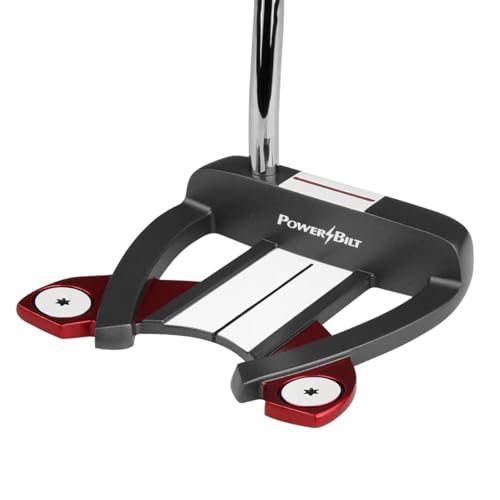
If you are looking for a mallet putter left handed golfers can use without struggling with a right-handed setup, the Powerbilt Golf TPS X-Type Series M900 is one of the more straightforward options on Amazon. It is a 35-inch, left-handed mallet built for players who want a larger, more stable head with a forgiving footprint on the green. This review is a research-based look at the listed specifications and the patterns owners commonly describe, not a report from hands-on testing. It suits golfers who prefer a mallet shape, play left-handed, and want a putter that tends to be easier to align than a small blade. It is less suited to players who already have a settled blade feel and do not want to change their look, or to anyone who needs a highly customized fitting, since this is an off-the-shelf model.
Powerbilt Golf TPS X-Type Series M900 Left Handed Mallet Putter, 35"
Product Overview
The Powerbilt TPS X-Type Series M900 is a left-handed mallet putter sold under the Powerbilt Golf name. Mallet designs spread weight away from the center of the face, which generally increases stability on off-center strikes and can help the putter track more consistently through the stroke. The “M900” designation places this model within Powerbilt’s mallet lineup, and the “X-Type” label refers to the series rather than a specific head geometry you would need to verify on the product page. At 35 inches, it sits in the common length range for a standard-height adult golfer, though length is the single most important fitting variable and should be checked against your posture and arm length.
For a left-handed player, the practical advantage of buying a left-handed model is simple: the lie angle, face orientation and grip are built for the correct hand position. Trying to use a right-handed putter flipped over creates alignment and feel problems that no amount of drilling will fully fix. A dedicated left-handed mallet avoids that compromise from the start. For another angle, check out 4 Best Junior Left Handed Putter Picks for Young Golfers (2026).
Key Features & Specifications
The table below lists only the details that are clearly stated in the product name. Anything beyond that, such as shaft material or exact loft and lie, should be confirmed on the listing before purchase.
| Specification | Detail |
|---|---|
| Brand | Powerbilt Golf |
| Model | TPS X-Type Series M900 |
| Putter style | Mallet |
| Hand orientation | Left handed |
| Length | 35 inches |
| ASIN | B01COPH45M |
Because the listing data is limited to these basics, buyers should read the full product description and check the stated loft, lie and face angle. Measure your own putting height and preferred length before ordering, since a 35-inch putter may feel long or short depending on your setup.
Pros & Cons
Pros
- Left-handed orientation means proper hand position and alignment without modification.
- Mallet head shape generally offers more forgiveness on off-center hits than compact blades.
- 35-inch length falls within the standard range many adult players use.
- Designed as a complete, ready-to-use putter, which suits buyers who do not want a custom build.
- Mallet styling often makes it easier to align the face to the target line at address.
Cons
- Limited published detail on shaft, grip and exact loft and lie compared with premium lines.
- Mallet heads are larger and may look bulky to golfers who prefer a traditional blade look.
- Off-the-shelf fitting means players with unusual posture or arm length may need an adjustment.
- Owner-reported feel can vary with grip and ball type, so the feel is less predictable than a premium model with known specs.
Performance Analysis
Performance in putting comes down to three things: consistent face alignment at address, a stroke path that matches the putter’s arc, and a head that returns the face squarely through the ball. Mallet designs generally help with the first and third. The wider head and weight distribution tend to resist twisting on contact, so a slightly off-center strike loses less speed and direction than it would with a small blade. For left-handed golfers who struggle to see the target line from a right-hand-based blade, the larger sightline on many mallets can make setup feel more natural.
Owners of mallet putters in general often report that the biggest adjustment is distance control, not direction. A heavier head or a slower tempo can cause players to decelerate, so new mallet users are commonly advised to practice lag putts from 20 to 40 feet and focus on a smooth, pendulum-style stroke. A useful drill is to place two tees just wider than the putter head at a six-foot distance and stroke through the gate ten times before moving on, which builds a square face return.
The M900 should be judged the same way: by how it fits your stroke and how consistently it sends putts to your target distance. Because the detailed specifications are limited, the most reliable test is a demo or return-policy check, and a short session on a practice green with a few sleeves of balls. Pay attention to whether the head feels stable through impact and whether your face angle stays consistent across ten putts from the same spot.
Who Should Buy This Product?
This putter is a good fit for left-handed golfers who want a mallet shape and do not need a custom-built head. It makes sense for players who have struggled with alignment on blades, who miss on the toe or heel and want more forgiveness, or who are switching from a right-handed mallet that never felt right in their hands. Beginners and mid-handicap players who want a single, dependable putter without researching shaft options will likely find it straightforward to use.
Skip it if you already have a blade you putt well with, if you are a low-handicap player who wants precise control over head feel and weighting, or if you need specific loft, lie or length numbers that the listing does not confirm. Players who are very particular about the look and sound of a putter should also consider looking at premium lines with more published detail.
Buying Guide
Choosing a mallet putter left handed golfers will actually use comes down to a few practical checks. Start with length. Stand in your natural putting posture with your eyes over the ball and let your arms hang. The top of the grip should sit roughly at the level of your wrist crease. If the putter feels too long or too short in that position, look for a different length. Next, confirm the hand orientation. Left-handed models place the grip and face for left-hand use, and buying the wrong hand is a common and costly mistake.
Consider head shape and sightline next. Mallets range from compact to large, with bigger heads generally offering more stability and a clearer alignment aid. Smaller mallets look closer to a blade and may suit players who want a middle path. Then look at the shaft and grip. Many buyers upgrade the grip for comfort, and a thicker or thinner grip can change how the putter feels in the hands.
If you want alternatives, two well-known left-handed options are worth comparing. The Orlimar F9 ZT Zero Torque mallet putter is a left-handed mallet in a 34-inch length, which is a useful choice if you prefer a slightly shorter setup:

Orlimar F9 ZT Zero Torque Mallet Putter, Left Handed, Black/White, 34"
The Ray Cook Golf LH Silver Ray SR500 is a 35-inch left-handed putter that matches the length of the M900, making it a direct comparison for buyers who want to weigh head style and finish:

Ray Cook Golf LH Silver Ray SR500 Putter 35" (Left Handed)
If you are still deciding between shapes, it helps to read about the broader differences first. Which Putter Is Better Blade or Mallet (2026): Which Should You Choose? walks through the tradeoffs, and Switching From Blade to Mallet Putter (2026): Which Is Better for You? is useful if you are changing from a blade. For a general look at mallet designs, What Is a Mallet Putter in Golf? 6 Best Mallet Putters Compared (2026) is a good reference. Golfers who want a left-handed blade alternative can compare Left Handed Blade Putter Picks: 6 Best Options for Every Stroke (2026). Buyers hunting for a sale should also see Left Handed Golf Putter Sale: How to Find the Right Deal (2026).
FAQ
Is a mallet putter left handed models easier to align than a blade?
Many golfers find mallets easier to align because the wider head and often a visible alignment line give a larger target at address. Individual results vary, so test your alignment with a few practice putts before deciding.
How do I know if a 35-inch putter is the right length for me?
Set up in your normal putting posture, let your arms hang naturally, and check where the grip sits. The top of the grip should roughly reach your wrist crease. If you are much taller or shorter than average, measure rather than assume.
Can I use a right-handed mallet putter if I am left-handed?
It is not recommended. Right-handed putters are built with the grip and face oriented for right-hand use, which affects alignment, lie and feel. A left-handed model is designed to avoid those problems.
Are mallet putters more forgiving than blades?
In general, yes. The larger head and weight spread tend to reduce twisting on off-center strikes, which helps keep distance and direction more consistent. Forgiveness does not replace a good stroke, though.
Should I change the grip on a left-handed mallet putter?
Many golfers do, especially if the standard grip feels too thin or too thick. Grip size affects how the putter feels in your hands and how much wrist action you use, so try a few sizes if you can.
How long does it take to get used to a mallet putter?
Most players need a few practice sessions to adjust to the head weight and stroke path. Focus on distance control first, since owners of mallet putters often report that speed takes longer to dial in than direction.
Where can I check the loft, lie and shaft details?
Check the full product description and specifications on the Amazon listing before buying. If a detail is not listed, contact the seller or the manufacturer. For a precise fitting, a club fitter or golf professional can help, and that is worth considering if you have specific needs.
Final Verdict
The Powerbilt Golf TPS X-Type Series M900 is a practical choice for left-handed golfers who want a mallet putter with a proper left-hand setup and a ready-to-use design. Its strengths are the correct hand orientation, a stable mallet head and a standard 35-inch length. Its limits are the limited published detail on shaft and loft and lie, and the lack of custom fitting options. If you already know your putting length and like the mallet look, it is a sensible option to test. If you need detailed specs or a very specific feel, compare it against the alternatives above first.
View on AmazonAbout Owen Palmer
Owen Palmer is part of our editorial team and reviews and edits our putting & short game guides, checking product details against manufacturer specifications and owner feedback.
About the author
Owen Palmer writes reviews and buying guides for Putting For Par.